


|
PHONO STAGE MM/MC THÖRESS
Manufacturer: THÖRESS LABORATORY |

 |
 |
 |
|
Review
text by WOJCIECH PACUŁA |

|
No 266 Julay 1, 2026 |
THÖRESS was founded by Reinhard Thöress around the year 2000, shortly after he completed his studies in mathematics (with physics as a minor) at RWTH Aachen University. As stated in the document titled Behind The Curtain, available in PDF format on the manufacturer’s website, his laboratory is located in the center of Aachen, within walking distance of the famous cathedral (built on the initiative of Charlemagne at the end of the 7th century). And further:
The core of the early medieval edifice, known as the Carolingian Octagon, is well preserved until the present day, and is admired by many visitors from all over the world. Founded by the Romans, Aachen is a city with a long history located very close to the spot where the territories of Germany, Belgium, and the Netherlands meet, about 50 miles away from Cologne and Düsseldorf.
⸜ source: Behind The Curtain, → WHOLEMUSIC.au, accessed: 26.05.2026. He goes on to write that he is deeply convinced that a truly world-class audio system should be designed so that it is neutral and versatile. In the sense that the timbre of acoustic instruments is “reproduced with the utmost accuracy, so that every type of musical repertoire can be played back in an equally appealing and convincing manner.” Otherwise, he adds, “the system will tend to narrow the user’s musical horizons,” which, from his perspective, constitutes “a serious flaw, and perhaps even a sin!” 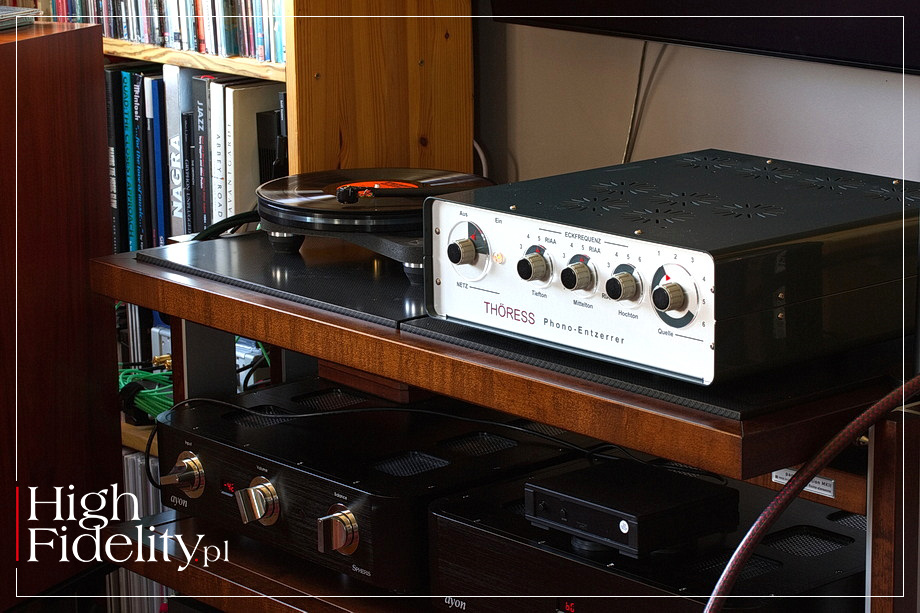
To achieve this, Reinhard Thöress - founder, owner, and designer all in one - draws on solutions from the 1950s and 1960s. He operates on the assumption that those were the golden years of audio, when it was the engineer - not the accountant - who mattered at a company. That is why his devices are mostly tube-based. His latest project is the third version of the Phono Entzerrer phono preamplifier. ▲ A few simple words… REINHARD THÖRESS 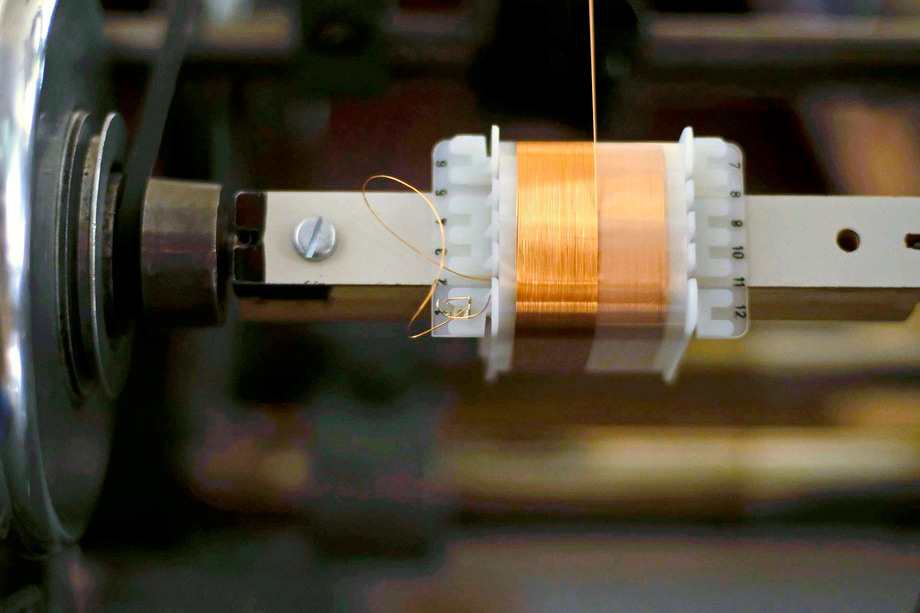
WOJCIECH PACUŁA • When did you first think about designing the original version of the Enhancer phono preamp, how did subsequent versions evolve, and when were they developed? REINHARD THÖRESS • This was in the year 2012, if I remember correctly. During a phase when I was about to evaluate a freshly inherited collection of fancy mono records, and was accordingly keen to dive more deeply into mono reproduction in all its aspects. These records were highly fascinating and did sound amazing even with RIAA phono amplification, but nevertheless, it was rather obvious that almost all of them suffered from this or that kind of tonal imperfection under RIAA playback conditions. Which naturally fueled my desire for some form of tone-control facility for the purpose of tonal restoration. Admittedly, before the edge frequency shift method came to my mind, I was playing around with de-emphasis-curve switches to address this matter, but rather quickly found this approach to be fruitless, as far as effective tonal restoration was concerned. 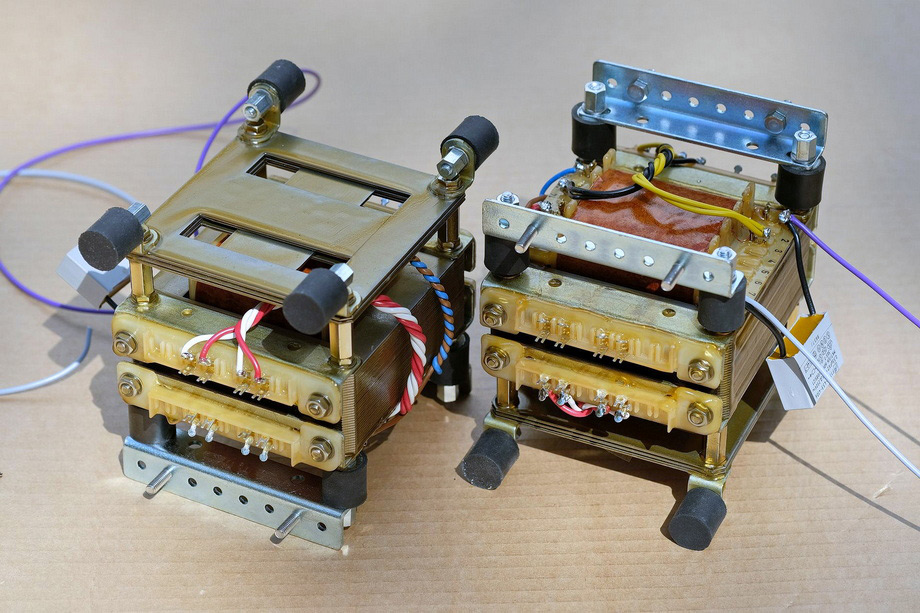
The Phono Enhancer circuit has indeed undergone quite a few modifications (simplifications) over the years. But meanwhile the circuit has reached its evolutionary endpoint, if not condensed down to perfection. Yet I must say that the initial design concept, as such has remained unchanged and has proven to be profoundly fruitful, perhaps even a lucky strike. I am still finely grinding the circuit here and there, and I do not exclude that I will launch a MKIV version of the Enhancer one fine day. Knowing that there is only a little headroom for further simplifications or even improvements left. WP • Where did the idea come from to replace the preset switches designed for specific labels (e.g., Columbia, DECCA) with three independent cutoff-frequency knobs (f1, f2, f3)? RT • Well, as it is written in the (rather extensive) manual of the Phono Enhancer... the differences between the various pre/de-emphasis prescriptions established by prominent record companies in the inception of high-fidelity audio are rather small, often negligible. Particularly the crucial bass-turnover frequency f2 equals 500Hz for all prominent prescriptions. Whereas, by contrast, the tonal footprints of individual records (even between those issued by the same record company in the same period of time) vary much more widely than the tonal differentiation even between the most distinctive de-emphasis characteristics! Therefor humble de-emphasis curve selectors are useless and puzzling to the user. As a practitioner and vinyl lover, I have found tone control via edge-frequency shift to be a/THE natural and highly effective way for tonal restoration, especially when the respective tone selectors are adjusted intuitively (to edge frequencies f1, f2, f3 of the de-emphasis curve far outside (!!!) the boundaries given by even the most distinctive de-emphasis prescriptions) by ear instead of just academically tuning in specific edge frequencies to formally suit the de-emphasis prescription associated with the record company and the year when the record was released. I should point out that my restoration method does obviously NOT involve any form of clumsy and sound destructive ordinary tonal control circuitry, as an additional quite substantial advantage. 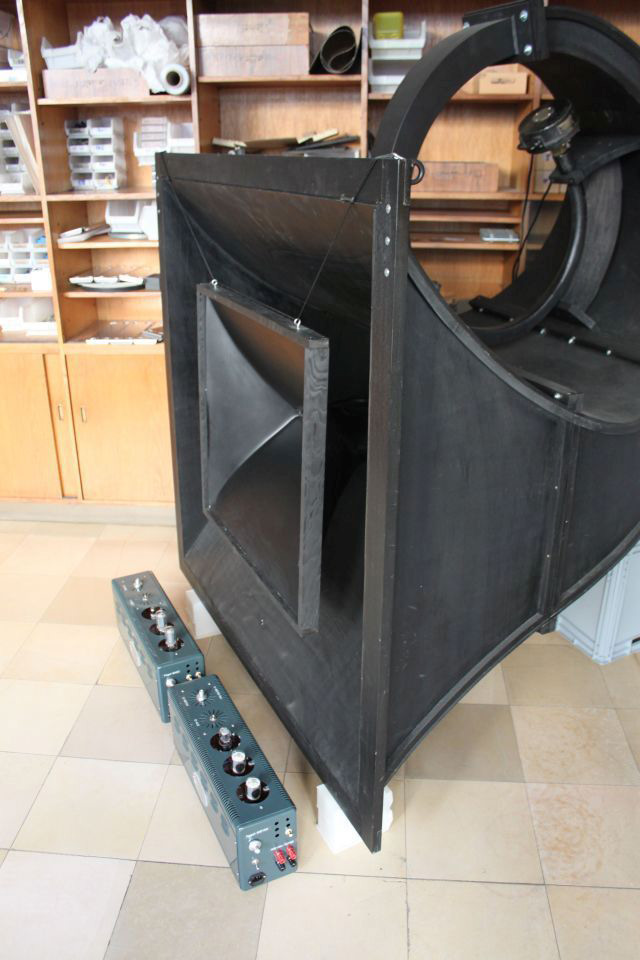
WP • You state that the device offers a high signal-to-noise ratio thanks to purely active amplification in the MC section, without the use of step-up transformers. How did you manage to achieve such radical silence in a tube circuit with such low signal levels? RT • Good question. This clearly is a matter of my CONSSTITUTE approach, CON/temporary S/olid ST/ate I/nterleaved TU/be TE/chnology, which in short means that in my circuits vacuum tubes are interleaved and entangled with all kinds of auxiliary solid-state components such as light-emitting diodes, FETs, MOSFETs or bipolar transistors in order to enhance the tubes’ performance. The initial PC86 stage of the Phono Enhancer, for example, is designed as a rather unique cascode tower, in which the triode tube (operated at the maximum possible plate current) is entangled with a JFET and a bipolar transistor in one gain stage. As a transformer guy (I make all mains and output transformers for my gear in-house, from scratch myself, as you know) I used to design and build all kinds of MC step-up transformers (some of which were crazily elaborate) during my career. The Phono Enhancer makes such SUTs obsolete, no matter how good they are. WP • Why do you consistently avoid negative feedback in the phono section, when most engineers consider it essential for RIAA curve stabilization? 
RT • In fact, negative feedback does not only not help to stabilize the RIAA characteristic of a phono preamplifier. It tremendously complicates the math behind the de-emphasis implementation when things have to be accurate. To such an extent that the resulting equations can only be approximately solved with the aid of computers! The crux is that one has to take into account the so-called open-loop-gain of the amplifier in order to obtain a fairly accurate implementation of the respective filter network, which, in most scenarios (particularly in the case of the widely used OpAmps) is an unknown parameter with high tolerance. By contrast, the implementation of a given de-emphasis characteristic in the passive way (no feedback involved, as in my case) is fairly simple and 100% accurate in terms of calculus. I suspect that most engineers prefer an RIAA implementation with negative feedback because, in that case, they can rely on the formulas provided in the application notes of integrated circuit manufacturers, which makes it easy to calculate the values of the filter network components. WP • In the Mk III model, you used a unique combination of tubes (12J5GT or 6J5GT plus PC86). What led you to choose these particular, less obvious triodes, and how do they affect the device’s lifespan? RT • Well, these tubes are outstandingly linear single triodes. The 12J5GT is a member of the famous family of 6J5, 6J5GT, 12J5GT, 7A4, 6SN7GT, 12SN7GT, 12SX7GT, and 7N7 single and double triodes, which unarguably belong to the most linear devices ever developed in the history of electronic technology (in terms of their distortion spectrum). 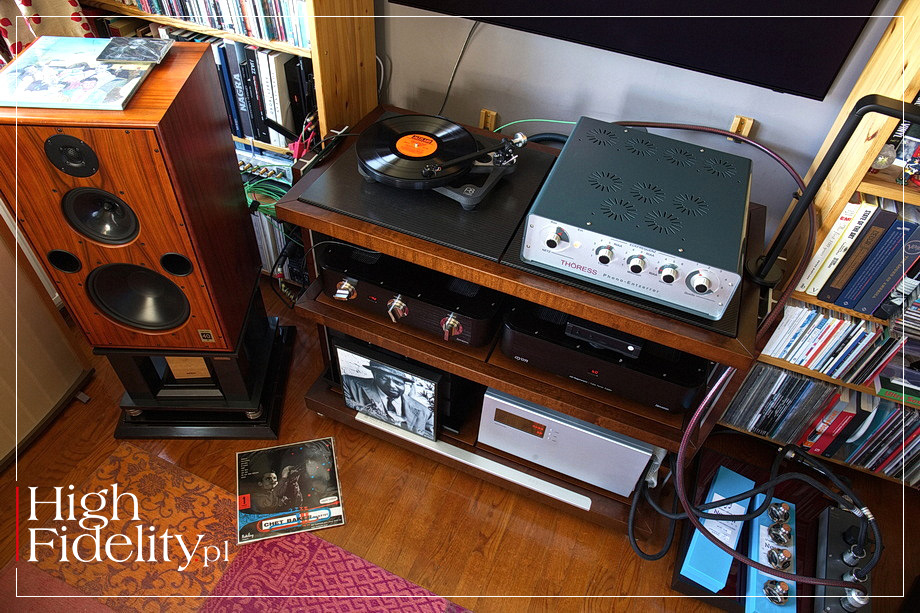
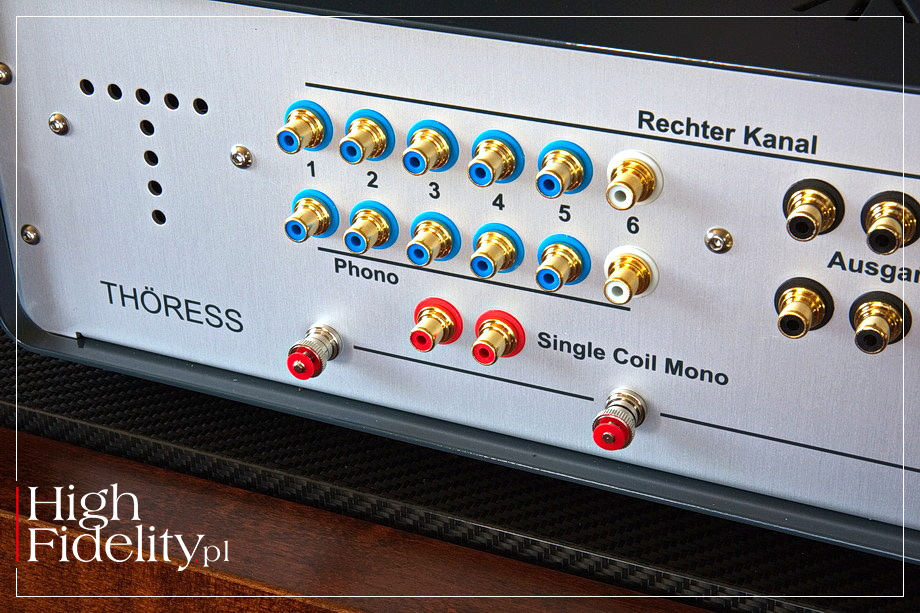
Recently, I have put a tremendous amount of time and effort into researching and identifying tube types with comparable high linearity to the classic xJ5GT triode and its derivatives, and have not found many of them; most of the candidates turned out to be more or less obscure pentodes or heptodes (operated in triode mode). As for the PC86, apart from its high linearity and high gain factor, this tube does extremely well when it comes to tube microphony and noise performance. Which obviously makes it a perfect choice for service in the initial stage of a phono preamplifier. WP • The entire device is hand-wired using the point-to-point method. How time-consuming is this process, and why do you think it offers better sound quality in the age of precise PCB manufacturing? RT • The point-to-point wiring method is indeed very time-consuming. But it obviously fits my radical purist design approach. And I always felt that it naturally suits tube-based technology in general. Although, despite the “golden age” term often associated with my brand, my mission is by no means to dogmatically recreate classic recipes of bygone tube technology, but to follow a philosophy which I call the CONSSTITUTE approach, as mentioned (and roughly explained) above. The latter should not get mistaken for the more common vacuum tube transistor hybrid technology, where tube and transistor stages are merely combined rather than interleaved and entangled, by the way. Apart from that, point-to-point wired gear can be conveniently inspected, serviced, or even modified and updated. Moreover, it is very easy to customize point-to-point wired apparatus to perfectly suit the needs of my customers. WP • It’s rare to find a phono preamp featuring as many as five MC inputs and one MM input. When designing the Mk III, did you have professional archivists in mind, or rather advanced collectors who use multiple tonearms and cartridges simultaneously? RT • All component models which nowadays form the THÖRESS product line were initially developed to serve my own needs. Particularly, my needs as a vinyl lover, in the case of the Phono Enhancer and the Full Function Preamplifier. The numerous inputs of the Enhancer certainly are meant to simultaneously accommodate a variety of cartridges. However, since the inputs are fitted with different loading resistors, it offers the possibility of conveniently changing the cartridge impedance loading without involving switches. ‖ RT ▒ Phono Entzerrer Mk III IN THE NAME OF THE TESTED DEVICE, the manufacturer has included a large part of its description. The German name is somewhat straightforward (Phono Entzerrer Mk III), but the English version used by the manufacturer says a lot. “Parametric Phono Equalizer Mk III” indicates that it is a phono preamplifier, that it allows for adjusting the gain curve settings, and that this is its third version. AESTHETICS • Thöress devices share common design features, primarily tube-based and featuring point-to-point wiring - as well as a similar aesthetic. Their enclosures are constructed from aluminum sheets with rounded edges and finished in a beautiful dark green color; the Japanese company Shindo Laboratory used a similar shade. The gray front panel and distinctive German-language lettering, along with knobs reminiscent of laboratory equipment, give the impression that we’re dealing with a product straight out of the 1950s. On the front panel of the preamp, there are as many as five knobs - two larger ones and three smaller ones. For a phono preamp, that’s really a lot, and they aren’t used to adjust the load at all. The load can be selected individually to match your cartridges, but this is set permanently when you order the unit. The two outer knobs - the larger ones - are sort of standard ones: the left one turns on the power, and the right one selects the active input. The three in the middle, on the other hand, are used to set the shape of the gain curve (more on that in a moment). The knobs have a very distinctive appearance, as their central part is made of gray plastic, and the arrows are printed on a wide flange of transparent acrylic. An orange indicator light is located next to the power switch. The front panel is made of aluminum, in the metal’s natural color. Large labels in German are screen-printed on it. 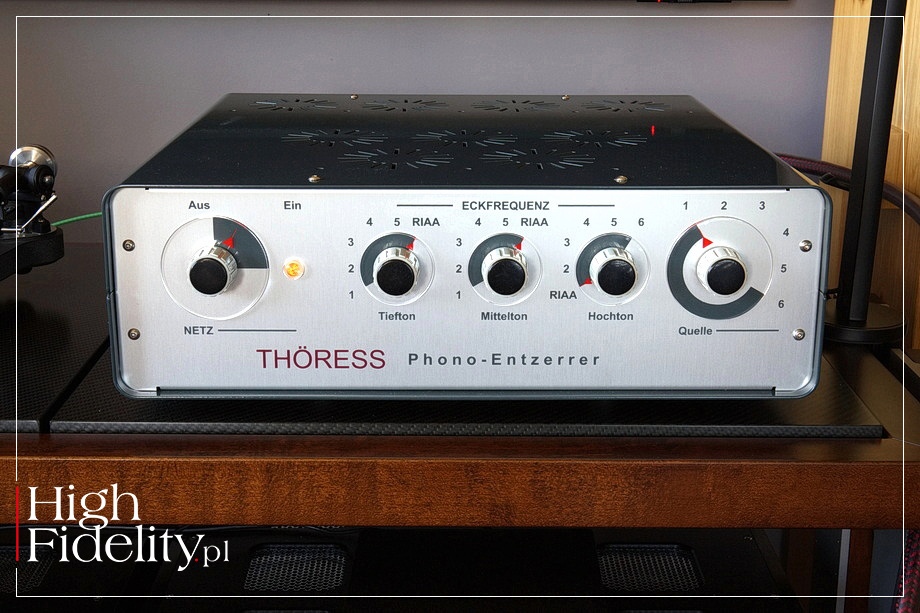
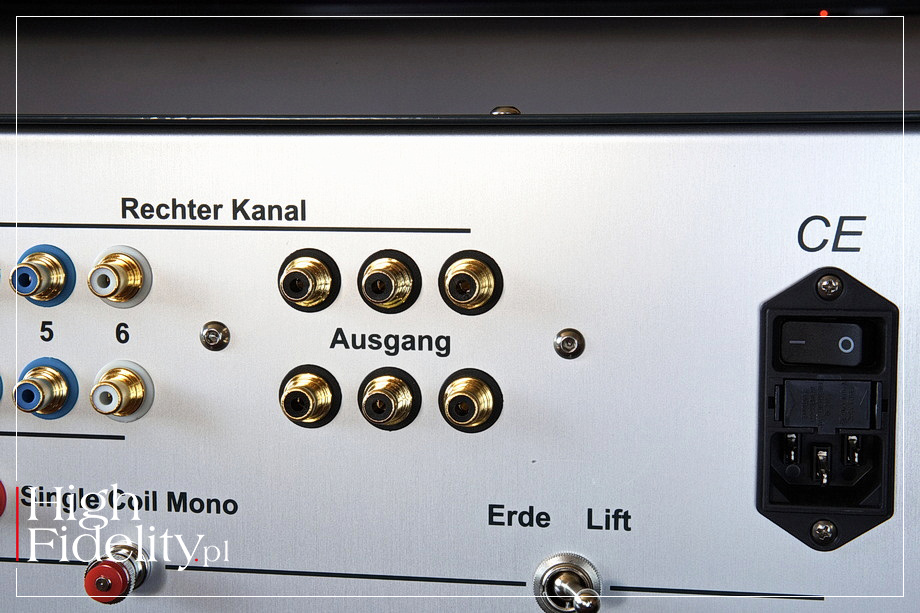
The back panel is packed with connectors and looks just like a classic line preamp. As we mentioned, there are as many as six inputs. Five of them are marked in green, and one in white. There are also three outputs to the preamp (or headphone amp). The jacks are sturdy; they look like Neutrik jacks, but they aren’t high-end WBT, CMC, or Furutech products. The feet on which the preamp stands are just as rudimentary. Independent ground terminals are located next to the connectors. And there’s also an input for a single-coil mono cartridge. FEATURES • The new version of the preamp supports both MM and MC cartridges, but not the optical ones, even though this has recently become an increasingly popular way to play LPs. Instead, it features as many as six (!) stereo phono inputs. Each can be set to a different load value, allowing the use of various cartridges. In Japan, these would likely be separate turntables. Systems with two, three, or more turntables are quite popular there. However, the most important feature of the device seems to be gain curve adjustment. A device of this type can be programmed to automatically select a specific curve, or it can allow the user to do so; in this case, we’re dealing with the latter option - that is, full control on our part. Examples of the former include the Gold Note PH-5.2 phono preamp, and examples of the latter include the EMT JPA-66. These types of adjustments make sense primarily in the context of monaural 78 RPM records released before the mid-1950s (some say the early 1960s). However, these switches can be treated as a kind of tone control. The Phono Entzerrer Mk III user manual contains an extensive section discussing the function of each of the three knobs and their effect on the sound. It reads:
The three tone selectors allow for subtle bass, midrange, and treble control, providing the user with highly effective tools for restoring tonal imperfections in the replayed vinyl program (eventually introduced during the recording or cutting process), without involving clumsy and sound-destructive conventional tone-control circuitry! A suitable range of selectors for practical use was determined and optimized by evaluating a wide variety of vinyl records in a laboratory test.
Interestingly, upon request, the manufacturer can also implement NAB and IEC corrections in the preamp, designed for reel-to-reel tape recorders for various tape speeds. This would allow you to bypass the electronics in the tape recorder and use the tube circuit in the preamp. ▲ RIAA curves RECORDING SIGNAL ON A VINYL RECORD requires special signal processing. First, you must significantly reduce the amount of low frequencies and significantly increase the level of high frequencies. In the device at the other end of the chain - that is, the phono preamp - this process must be reversed: the bass levels must be increased and the treble levels reduced. This creates what is known as the equalization curve. 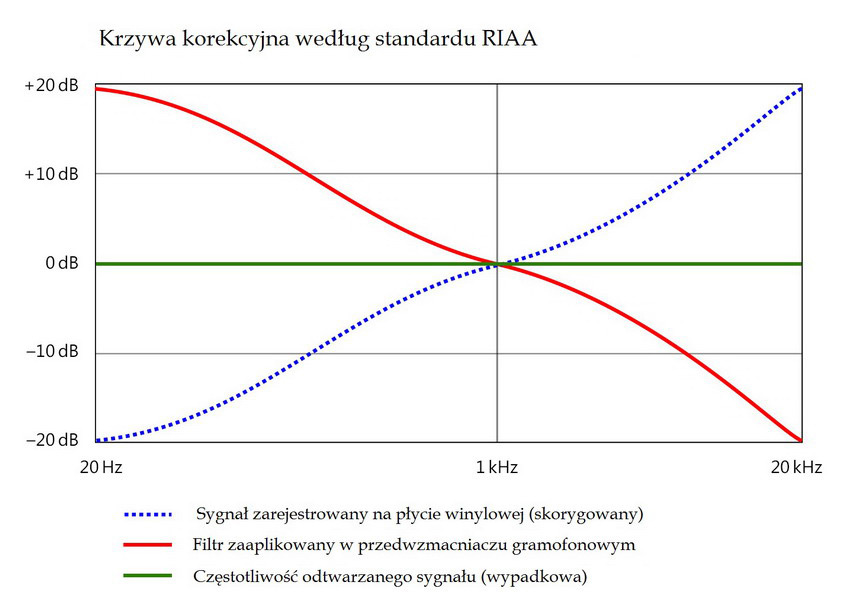
|
It has three key points, known as “transition points,” which are points at which a change in gain occurs. This standard also defines the rate at which the curve declines. In the case of the RIAA, the “inflection” points are 75 µs, 318 µs, and 3180 µs, corresponding to frequencies of 2122 Hz, 500 Hz, and 50 Hz (MM and MC cartridges are velocity-dependent, hence the measurement in µs). We refer to the RIAA (Recording Industry Association of America) curve because it is currently the standard. It is believed that this became the standard around 1954. Previously, each manufacturer used its own curve, differing in inflection points and the rate of rise and fall. There is some debate as to when various companies switched to a common standard. Some claim that this happened as late as 1960, while others, such as Michael Fremer (“The Absolute Sound”), believe it happened much earlier. More → HERE. ● TECHNOLOGY • The Parametric Phono Enhancer Mk III is an MM and MC phono preamplifier and it is an unbalanced design. It is a tube-based device that uses NOS tubes - the 12J5GT and PC86 triodes (or 6J5GT + PC86) - and operates without negative feedback. The power supply, on the other hand, is solid-state based. The unit under review uses 12J5GT tubes sold under the Tronal brand and PC86 tubes from Siemens. 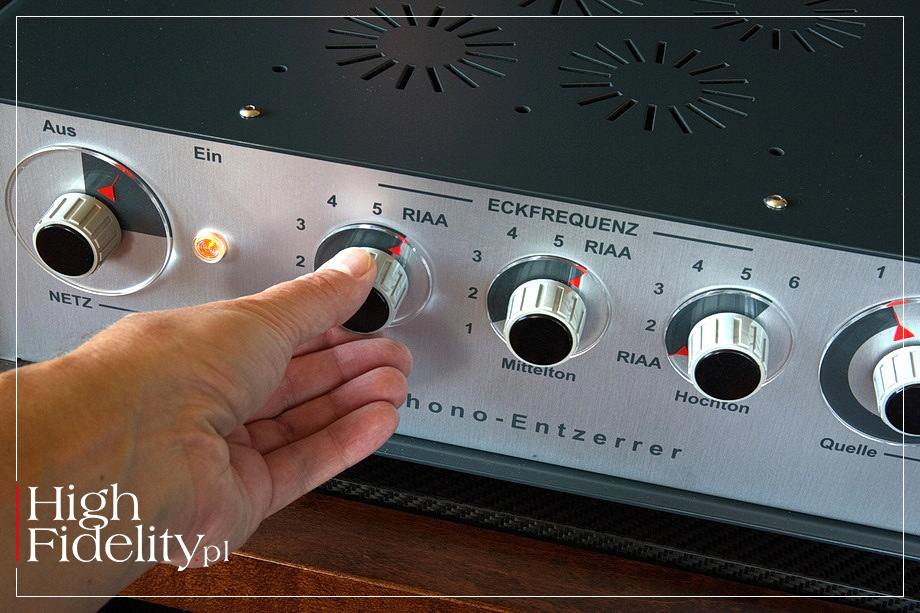
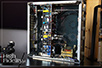
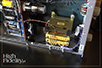
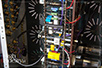
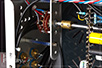
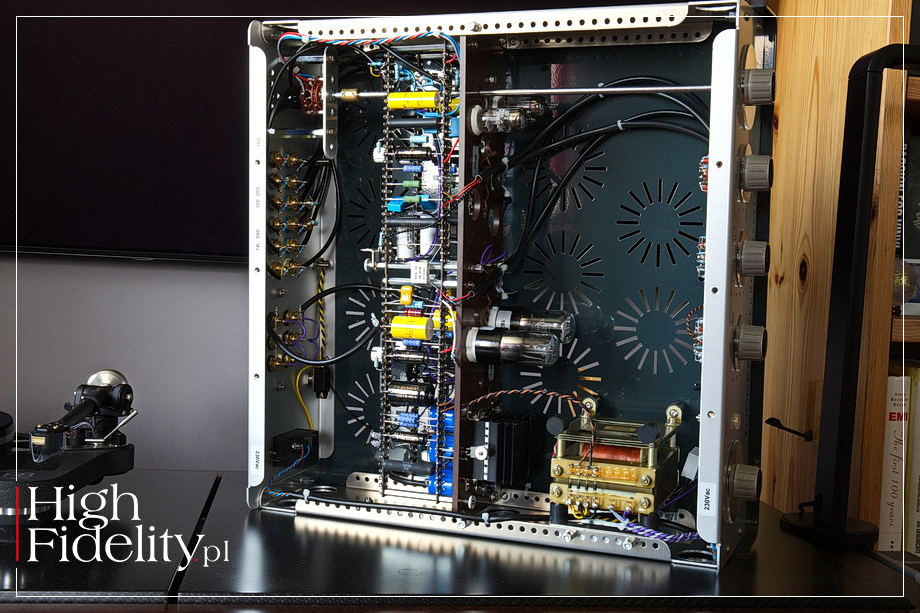
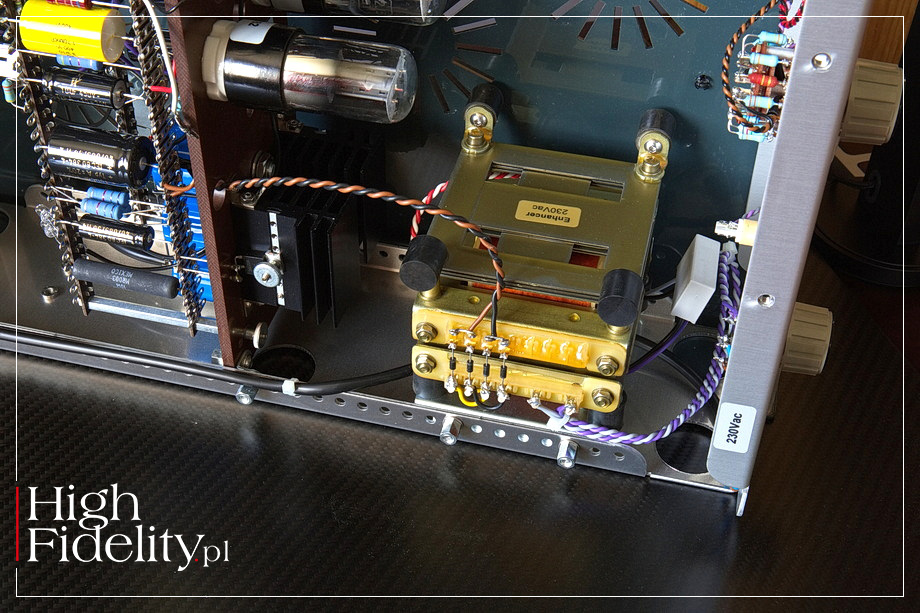
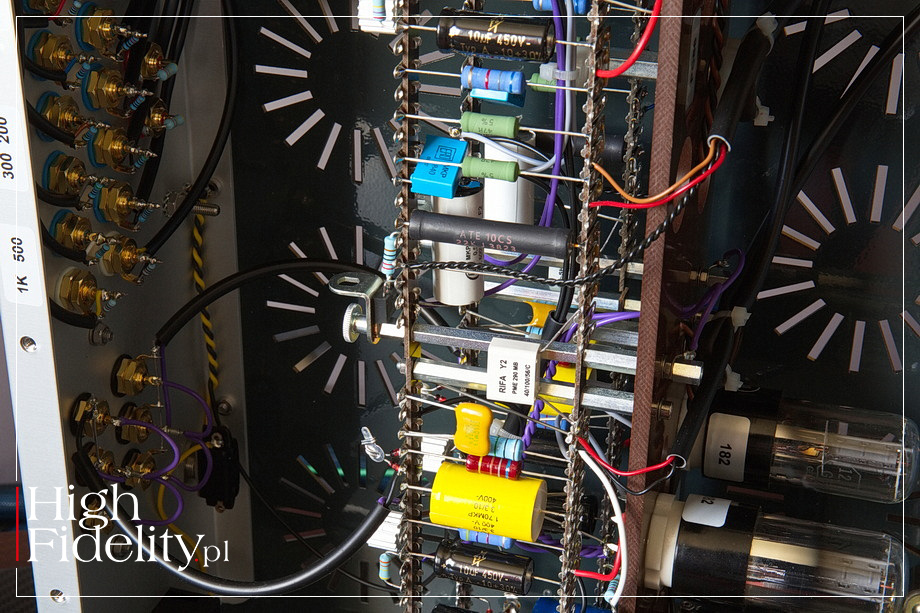
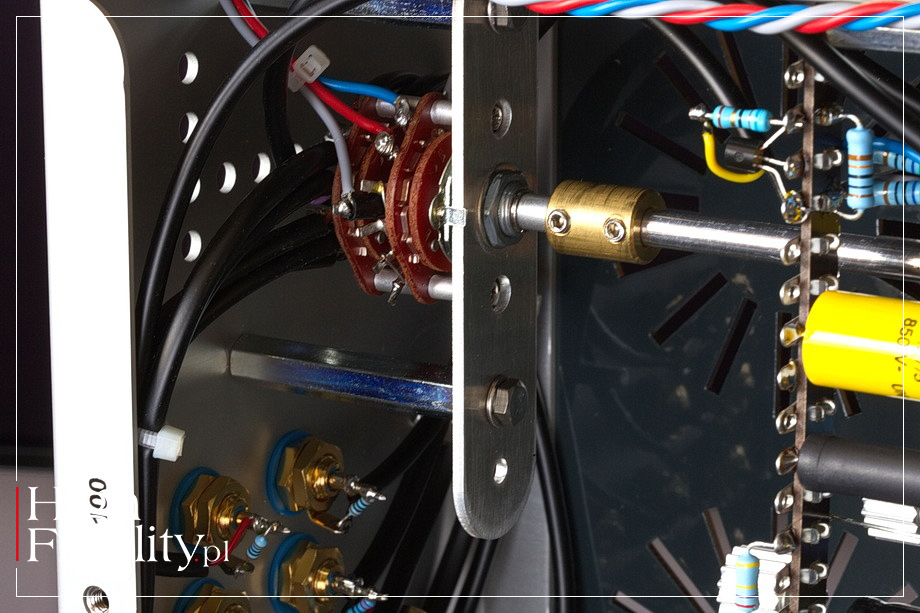
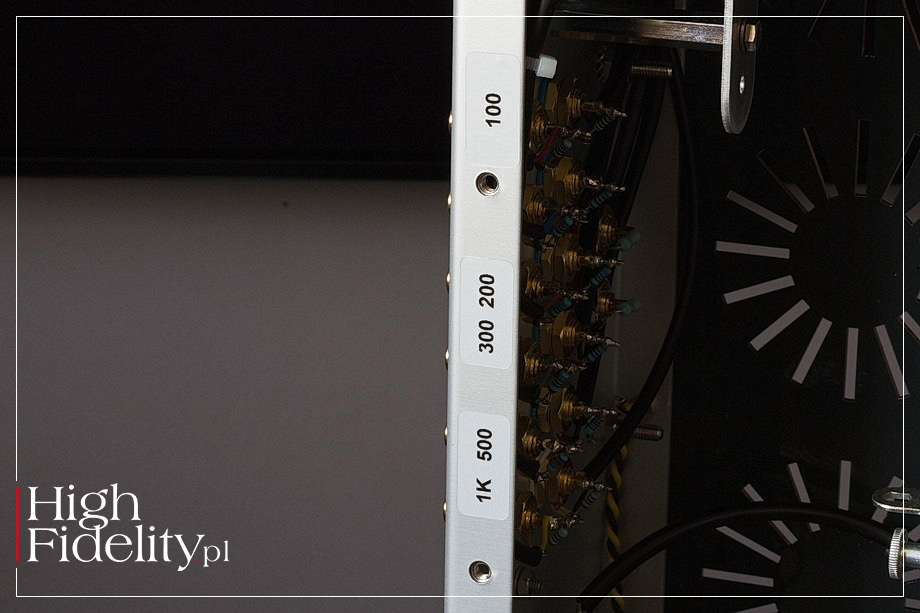
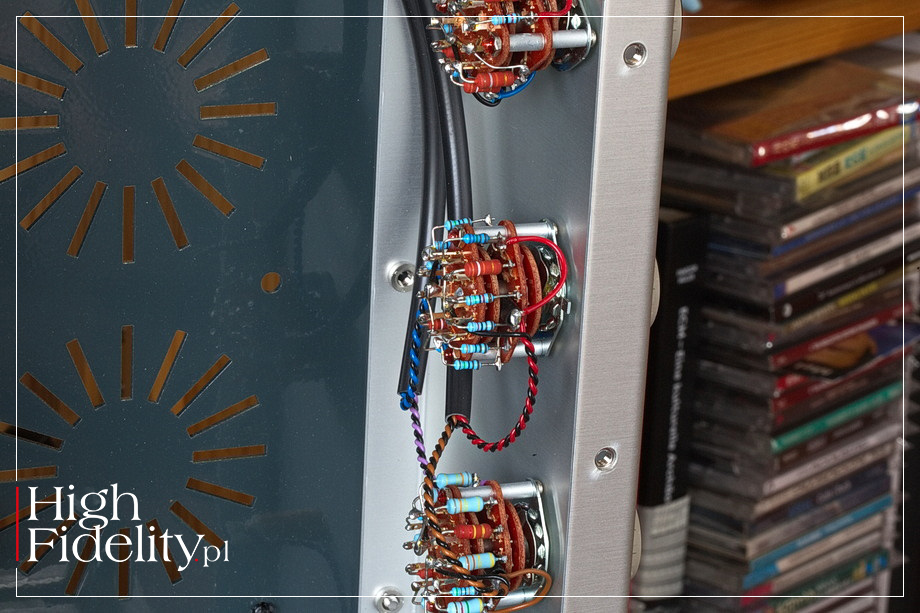
The phono preamp is hand-built, using point-to-point wiring with auxiliary bridges. The left and right channels have separate sections and are also physically separated. As stated, “great attention has been paid to every aspect of the internal design to ensure low noise levels, ease of use, and the highest reliability for many years.” The circuit features many high-end components, including various types and brands of capacitors, such as ERO, RIFA, and others. All switches are open-type, and the components used to adjust the EQ are mounted on them. The input loads, that is, the resistors, are soldered directly to the inputs. Their values are listed on labels affixed to the chassis, visible only after removing the top panel. In the reviewed unit, these were: 100, 200, 300, 500, and 1000 Ω. They offer a gain of 65 dB (MC), while the sixth, intended for an MM cartridge, offers a gain of 45 dB (MM). During testing, the turntable was connected to a 200 Ω input, as this is the impedance offered by the RCM Audio phono preamp, which serves as the reference preamp. The output impedance is,as the manufacturer assures, “sufficiently low.” It is approximately 300 Ω, which is intended to allow for the use of long cables and facilitate compatibility with preamplifiers with low input impedance, starting as low as 1 kΩ, “without compromising sound quality.” The lower-frequency response is set by a 3.3 μF coupling capacitor and is 5 Hz. The output stage features a triple output (three stereo RCA outputs connected in parallel). It should be noted that the Phono Enhancer power supply is based on a hand-wound, patented power transformer. Mr. Thöress assures us that this section was “designed for low noise and electromagnetic field emissions.” Nevertheless, it has been mounted to the chassis using insulating elements, which is intended to eliminate “even the slightest residual vibration interference between the transformer and the circuit.” It looks great. ▓ SOUND HOW WE LISTENED • The Thöress Phono Entzerrer Mk III was tested in the HIGH FIDELITY reference system and compared to the RCM Audio Sensor Prelude IC phono preamp. The signal source was the Rega P8 turntable and two MC cartridges: the Denon DL-103R and the Miyajima Laboratory Destiny. It was powered by an Acrolink Mexcel 7N-PC9500 cable. 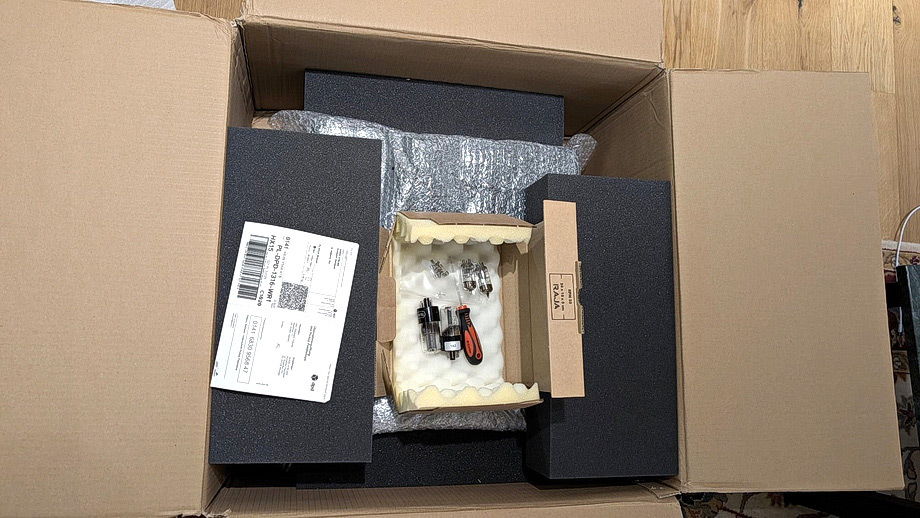
From the Thöress output, the signal was sent to the Ayon Audio Spheris Evo tube line-level preamplifier using Crystal Cable Absolute Dream interconnect, and then on to the Soulution 710 transistor power amplifier. Speakers: Harbeth M40.1. To clean the stylus, I used DS Audio ST-50, a solid gel designed for stylus cleaning, and to clean the records, I used the Audio Desk Systeme Vinyl Cleaner Pro. » ALBUMS USED FOR THE TEST ⸜ a selection
• U2, War, Island Records 205 259-320, LP ⸜ 1983. YOU WON’T DISAGREE, I hope, but based on considerable experience, it is likely that when someone comes to visit whom you want to impress with your audio system, you reach for the “sure bets”. That is, the best releases you have, music recorded in the best way available on the market - albums that prove that a well-designed and meticulously executed recording, mastering, and release process is capable of producing truly stunning results. Jaws are meant to drop, hair is meant to stand on end, and guests are meant to be blown away. I feel the same way. It’s equally true, however, that some of these albums are so magnificent not because of the music but solely because of the sound. It’s almost always the case that the music we listen to every day isn’t particularly suited to showcasing the greatness of what is the essence of our industry - the equipment used to reproduce it. That’s why, for years, I’ve been setting limits for myself and making sure that, in such a presentation, alongside these types of records, there are also albums that I like for their artistic content. I’m getting better and better at this. Perhaps that’s why the system I use to evaluate the equipment I’m testing is two-pronged, so to speak: on the one hand, it’s meant to be as detailed and transparent to nuances as possible, and on the other, it must handle even the most hopeless recordings in such a way that I don’t feel stressed and don’t have to constantly reach for the volume knob to shield myself from this or that. It has to be both. I think I’ve achieved proficiency in this. I also took a two-pronged approach to testing Reinhard Thöress’s preamp. I used it to listen to the most mind-blowing records I own, such as the test pressings of PARTICIA BARBER’s Café Blue, in the 1-Step Impex Records version, as well as Jazz at the Pawnshop by ARNE DOMNÉRUS on Audionautes Recordings, also a 1-Step release, and then “everything else” - that is, releases from Mobile Fidelity, Classic Records, Analogue Productions, and other major labels. What interested me most, however, was how this device sounded with old records worn down by time - whether in terms of the recording or the playback. One of them is War by U2. And this album sounded phenomenal with the preamp under review. It’s rather flat dynamically, centered in the midrange, and almost monaural, except for the guitar and drum interludes. But there’s such fire, such power in it that even today, forty-three years later, the tracks ˻ A1 ˺ Sunday Bloody Sunday and ˻ A3 ˺New Year’s Day still give me goosebumps, honestly and for real. The German system played this album with a wonderfully rich midrange and gave the sound a sense of weight. It wasn’t a narrow or flat sound across all planes. The midrange still dominated, but now it had much greater volume and seemed more tonally differentiated. It sounded as if more sounds had been added to the mix, as if something had “unlocked.” There was simply “something going on.” It was precisely this impression - the sense that the sound had “jumped” into the path it should have followed from the very beginning - that was even stronger on the next album, one that is super difficult to reproduce: CHARLIE PARKER’S Charlie Parker at Cafe Society 1950. Released in Japan by Jazz Historical Recordings (HR-138-EV) in 1973, it features archival recordings that, frankly, shouldn’t even be listened to - they sound that bad. Flat, bright, and nonsensical. Except that the artistic quality of these performances is extraordinary. So when it comes to something like what happened with the Phono Entzerrer Mk III it’s impossible not to be swept away by delight. 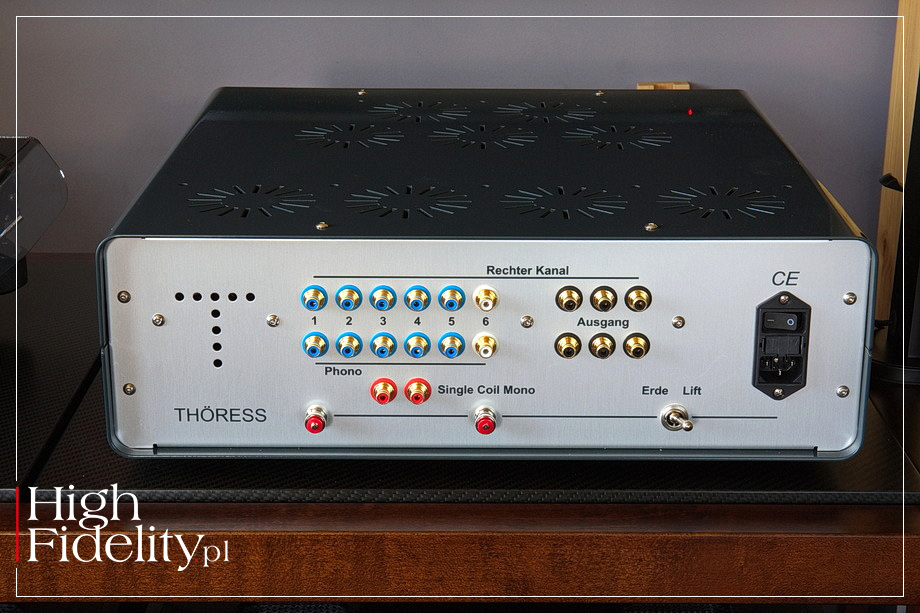
Both ˻ A1 ˺ Broadway Theme, with a very bright mix lacking any frequency below a few hundred Hz, as well as ˻ A2 ˺ Perdido, with the issue of significant distortion in the lower end of the frequency range, and the other tracks, all sounded in such a way that I wanted to listen to them, that I wanted to explore and discover them all over again. And that was even before I turned a single knob on the front panel of the preamp. As it turns out, I wasn’t the only one who felt that way. ▲ Second opinion JULIAN SOJA 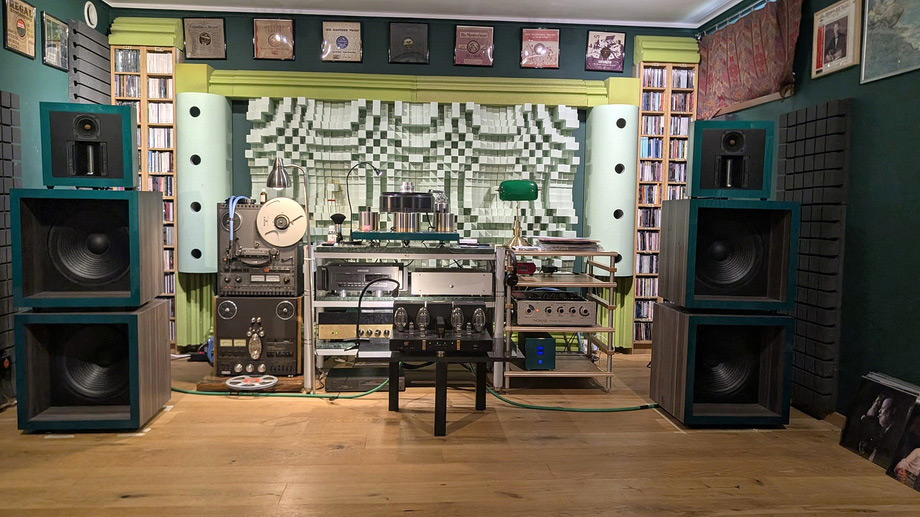
WHEN I WAS OFFERED THE OPPORTUNITY to listen to (and break in) the Thöress Phono Entzerrer Mk III phono preamp I didn’t hesitate for a moment. Of course, I was already familiar with Thöress products by sight (from trade shows), because they’re impossible to overlook or confuse with any other brand. A few years ago, I spent a bit more time listening to a Thöress line preamp in Dawid Grzyb’s (HiFiKnights) system, and it left a lasting impression on me. The Phono Entzerrer (Version III) also looks as if it came straight from a pre- or post-war radio station, which I personally find extremely appealing. Upon closer inspection, it turned out to be superbly crafted with great care. The only slightly controversial - or perhaps rather unclear - aspect is the connection diagrams (I think they’re unclear even to those who know German), especially since the manufacturer didn’t include a user manual. A phone call to the distributor helped me determine which pair of jacks was best for connecting my turntable with my specific cartridge. In the same way, I found out which screws to unscrew to install the four included tubes. 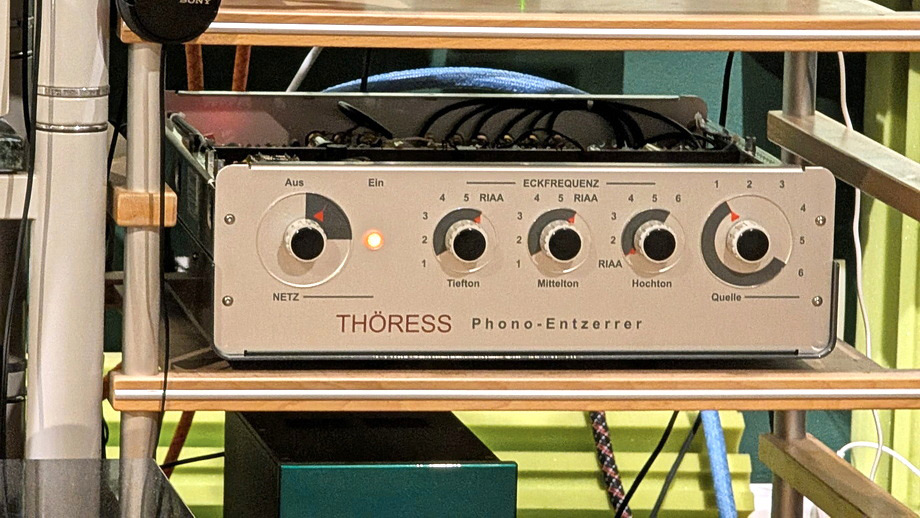
After that, everything went smoothly. The sound of the Phono Entzerrer “settled in” and stabilized after just a dozen or so hours (I received a brand-new unit). All in all, over the course of a week, I listened to several dozen very different records on it, and every time it brought a smile to my face. In my system, the Thöress delivered, on the one hand, a very open, spacious, and detailed sound with plenty of so-called “air,” but at the same time creating an incredibly colorful and differentiated sound image, with a perfectly full and weighty midrange, generating a sound that was incredibly natural, organic, and tangible, with an illusion of the instruments’ presence in the listening room that at times gave me goosebumps. This is, of course, a matter of taste, but I happen to love this kind of sound. It’s not my place to review this device, so I’ll leave it at that. I’ll just add that after this week, the Thöress Phono Entzerrer has made it onto my wish list, and I think it could easily find a permanent place in my system someday. The rest of my vinyl setup consists of: a J.Sikora Reference Line turntable (Special Edition for Soyaton) with a J.Sikora KV12 tonearm and an Ortofon P.W. cartridge, an Art Audio Vinyl One Reference Silver phono preamp, a VAC Vintage Line Preamplifier, a VAC PA 80/80 power amplifier, Kasoto OnWaTi speakers (Special Edition for Soyaton), and all Soyaton Benchmark series cables. ‖ JS THE EXCELLENCE OF THE PHONO ENTZERRER, in its third iteration, is most evident in how perfectly this device conveys emotions. It does so by boosting the midrange, but in a full-bodied way - not just in terms of timbre. In this way, it delivers a tangible, intimate sound that also possesses depth and breathing room. Resolution here goes hand in hand with selectivity, and tangibility with detail. The whole presentation has great volume, momentum, and scale. Yet it doesn’t overwhelm or hog the space for itself. Rather, it draws us into the story. So when, after Parker, I played an absolute blast - the 1-Step, 45 RPM test press of the Jazz At The Pawnshop album - I sat down in awe. In the sense that even though I was already sitting, if I’d been standing, I would have sat down. Probably because the preamp under review presents the music as an absolute, indivisible whole. It renders it as a fullness, as a million things at once, all of which are seamlessly connected to their neighbors - and not on a flat plane, but within a three-dimensional grid of connections. I was also amazed by the dynamics. I’d heard this before with U2, but now there’s added depth and nuance. And when, at the beginning of the ˻ A2 ˺ Limehouse Blues, you can hear the foot tapping out the rhythm - slow at first, then faster - it was much clearer with the Thöress than with the reference phono preamp, with greater depth. And if so, it was better than 99% of the other phono preamps I’ve encountered. Only RCM Audio’s The Big Phono was even better in terms of insight into the recording. The German phono preamp is, on top of all that, incredibly agile. That is to say, fast and nimble at the same time. Its speed is a manifestation of the naturalness of the musical events, of their authenticity. It’s about giving the music “momentum,” a sense of drive. So even if it’s delicate, ballad-style performance from the Thelonious Monk With John Coltrane album, as featured in the THELONIOUS MONK The Riverside Tenor Sessions box set, released in 1998 by Analogue Productions, it’s the energy in motion, the internal rhythm that propels the music forward - and with it, our imaginations that accompany it. I also heard that wonderful bass again. I was going to mention it earlier, but something more important kept coming up. And yet the frequency extremes are exemplary with this preamp. Perhaps not quite as perfectly defined as in the aforementioned The Big Phono, but still exceptional. Considering the price difference, I’d say, they are negligible. The drum beats in ˻ A2 ˺ Trinkle, Tinkle shook - I’m not kidding - my room, and the Harbeths relayed them with relief, grateful that - sorry for the anthropomorphism, but that’s how I perceived it - they were finally getting something proper to play, something that allowed them to really shine. ▒ Summary I LOVE MY LITTLE BEAST, the RCM Audio Sensor Prelude IC preamplifier with true love. That is to say - faithful and complete. I know its limitations; I know what could be improved, and yet I accept it just as it is, because we’re a perfect match. Every now and then, however, doubts creep in. I wonder then if my attachment isn’t some kind of codependency. That’s exactly how I felt when comparing its sound to that of the Thöress Phono Entzerrer Mk III. 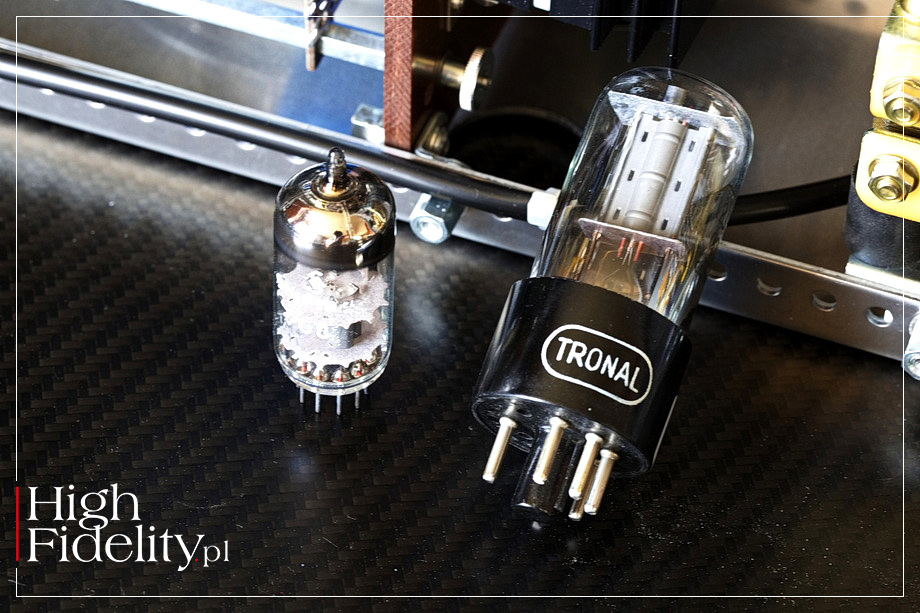
The German device produces exceptionally detailed sound, brilliantly dynamic, and incredibly tangible. It may seem to focus on the midrange, but that’s absolutely not true. Its tonal balance seems even, and the sound as a whole is saturated with detail and air. The foreground is close to us, yet there’s no sense of the sound “sitting on our laps.” It’s more about naturalness, which suggests a connection with the performers “here and now.” The device sounds just as impressive with top-tier releases as it does with recordings we’re skeptical about. Perhaps it’s the latter that benefit the most from the vividness Thöress offers. They seem to come alive with it. They have a fuller frequency response, stronger dynamics, and more natural spatial relationships. And they never, ever become irritating. The ability to adjust the gain curves is a useful feature, but - as far as I’m concerned, a secondary one. I don’t have too many older releases, and the ones that offered lower quality still played very well without my intervention. What matters most is the preamp’s performance itself - it’s extraordinary. Therefore, without any hesitation, it receives from us the ˻ GOLD FINGERPRINT ˺. ‖ WP 
▒ Dane techniczne (wg producenta)
Type: MM/MC tube phono preamplifier 
THIS TEST HAS BEEN DESIGNED ACCORDING TO THE GUIDELINES adopted by the Association of International Audiophile Publications, an international audio press association concerned with ethical and professional standards in our industry, of which HIGH FIDELITY is a founding member. More about the association and its constituent titles → HERE. |
 |

|
Reference system 2026 |
|
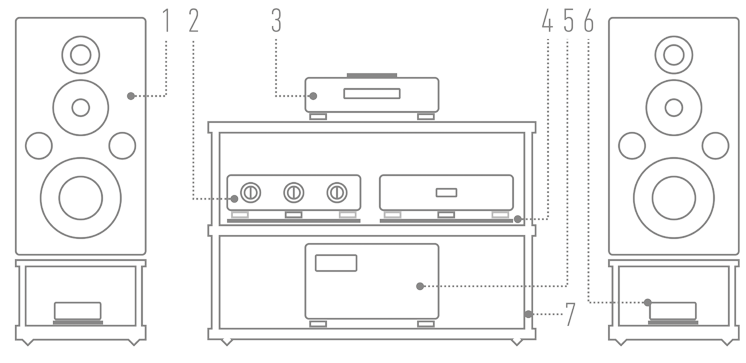 1) Loudspeakers: HARBETH M40.1 |REVIEW| 2) Line preamplifier: AYON AUDIO Spheris III Linestage |REVIEW| 3) Super Audio CD Player: AYON AUDIO CD-35 HF Edition No. 01/50 |REVIEW| 4) Stands (loudspeakers): ACOUSTIC REVIVE (custom) |ABOUT| 5) Power amplifier: SOULUTION 710 6) Loudspeaker filter: SPEC REAL-SOUND PROCESSOR RSP-AZ9EX (prototype) |REVIEW| 7) Hi-Fi rack: Hi-Fi rack: finite elemente MASTER REFERENCE PAGODE EDITION Mk II, more → HERE |
|

|
Cables Analog interconnect SACD Player - Line preamplifier: SILTECH Triple Crown (1 m) |ABOUT|» ANALOG INTERCONNECT Line preamplifier → Power amplifier: Siltech ROYAL SINLGE CROWN RCA; review → HERE Speaker cable: SILTECH Triple Crown (2.5 m) |ABOUT| |

|
AC Power Power cable | Mains Power Distribution Block - SACD Player: SILTECH Triple CrownPower (2 m) |ARTICLE| » POWER CABLE Mains Power Distribution Block → Line preamplifier: Acoustic Revive ABSOLUTE-POWER CORD, review → HERE » POWER CABLE Mains Power Distribution Block → Power amplifier: Acoustic Revive ABSOLUTE-POWER CORD, review → HERE Power cable | Power Receptacle - Mains Power Distribution Block: ACROLINK Mexcel 7N-PC9500 (2 m) |ARTICLE| Power Receptacle: Acoustic Revive RTP-4eu ULTIMATE |REVIEW| » ANTI-VIBRATION PLATFORM under Acoustic Revive RTP-4eu ULTIMATE: Graphite Audio CLASSIC 100 ULTRA, review → HERE Power Supply Conditioner: Acoustic Revive RPC-1 |REVIEW| Power Supply Conditioner: Acoustic Revive RAS-14 Triple-C |REVIEW| Passive filter EMI/RFI: VERICTUM Block |REVIEW| |

|
Anti-vibration Speaker stands: ACOUSTIC REVIVE (custom)Hi-Fi rack: finite elemente MASTER REFERENCE PAGODE EDITION Mk II, more → HERE Anti-vibration platforms: ACOUSTIC REVIVE RAF-48H |ARTICLE| » ANTI-VIBRATIONAL FEET: |

|
Analogue Phono preamplifier: Phono cartridges:
Clamp: PATHE WINGS Titanium PW-Ti 770 | Limited Edition Record mats:
|

|
Headphones » HEADPHONE AMPLIFIER: Leben CS-600X, review → HEREHeadphones: Headphone Cables: Forza AudioWorks NOIR HYBRID HPC |